
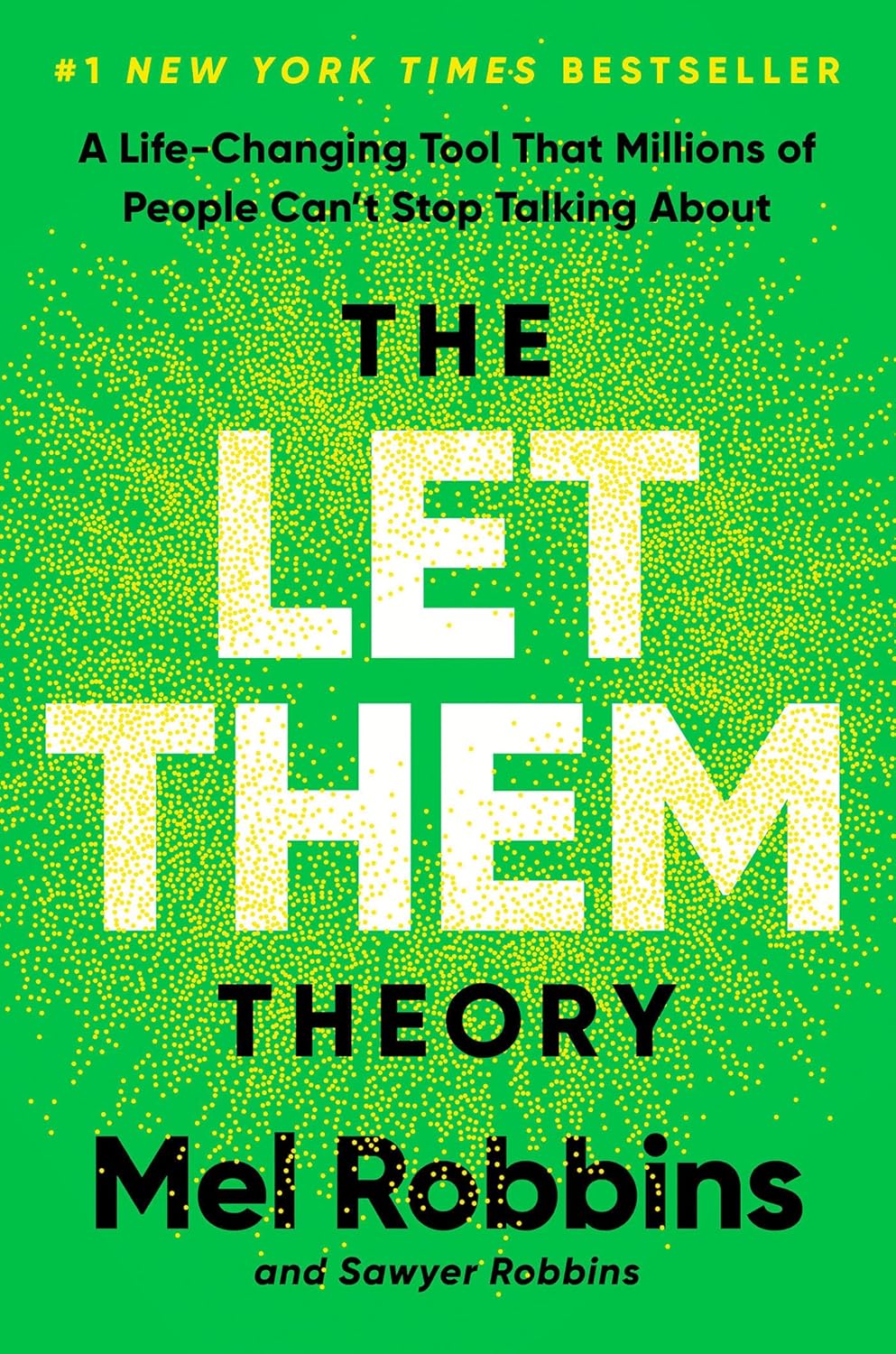


The Let Them Theory: A Powerful Mindset Shift That Redefines Control, Freedom, and Personal Growth
The Let Them Theory is a transformative and deeply practical book that challenges one of the most exhausting habits many people share: trying to control what other people think, feel, or do. With clarity, warmth, and a no-nonsense tone, Mel Robbins delivers a simple yet profound concept that has the potential to change how readers approach relationships, ambition, self-worth, and everyday stress.
At the heart of the book lies a deceptively simple idea built around two words: Let Them. Rather than attempting to manage others’ opinions, behaviors, or reactions, Robbins invites readers to release that burden entirely. The result is not passivity or disengagement, but freedom—mental, emotional, and psychological. This shift allows readers to reclaim their energy and redirect it toward what truly matters: their own values, goals, and happiness.
What makes The Let Them Theory especially compelling is how accessible it is. Robbins does not present abstract philosophy or vague motivational language. Instead, she explains the concept through real-life situations that feel instantly familiar: workplace frustrations, relationship conflicts, family expectations, social comparison, and internal self-doubt. These examples help readers recognize just how often they give away their power without realizing it.
The book’s core message is empowering rather than judgmental. Robbins is careful to emphasize that feeling stuck or overwhelmed is not a personal failure—it is a natural result of focusing on things outside one’s control. By shifting attention inward, readers begin to experience a sense of relief and clarity that feels both grounding and liberating. The message is not about changing who you are, but about removing what no longer serves you.
A major strength of The Let Them Theory is its practical structure. The book is organized around key areas of life where the desire to control others causes the most stress. These include work, relationships, self-confidence, emotional resilience, and long-term goals. Each section builds upon the last, creating a cohesive roadmap for applying the theory in everyday life. Readers are not left wondering how to use the concept; they are shown exactly how to integrate it into real decisions and interactions.
Robbins’ writing style is engaging and conversational, making the book feel like a supportive dialogue rather than a lecture. She openly shares personal stories from her own life, including moments of struggle, self-doubt, and growth. These moments of vulnerability add authenticity and trust, reminding readers that transformation is not about perfection but progress.
The book also stands out for its grounding in research and expert insight. Robbins references psychology, neuroscience, and behavioral science to explain why letting go of control is not only emotionally freeing but also scientifically sound. She introduces ideas from respected thinkers and ancient wisdom, weaving them seamlessly into the narrative without overwhelming the reader. This balance between science and storytelling gives the book both credibility and emotional resonance.
Another powerful theme throughout the book is self-compassion. By encouraging readers to stop comparing themselves to others and release unrealistic expectations, Robbins helps dismantle the internal pressure that fuels anxiety and burnout. The idea of “Let Them” becomes a boundary—one that protects emotional well-being and strengthens personal identity. Readers learn that confidence is not about approval, but about alignment with their own values.
In relationships, the book offers particularly meaningful insights. Robbins reframes common sources of conflict by showing how much tension arises from unmet expectations and unspoken assumptions. By allowing others to be who they are—without resistance—readers gain clarity about who truly belongs in their lives and where their energy is best invested. This approach fosters healthier connections built on acceptance rather than control.
The concept also proves valuable in professional and creative pursuits. Robbins addresses the fear of judgment, failure, and external validation that often holds people back from taking risks or pursuing meaningful goals. By applying the “Let Them” mindset, readers learn to move forward despite uncertainty, focusing on effort and intention rather than outcomes they cannot control.
One of the most impactful aspects of the book is its focus on resilience. Robbins explains how releasing control builds emotional strength and adaptability, making it easier to navigate setbacks and change. Rather than reacting to external chaos, readers are encouraged to respond with intention and clarity. This shift creates a calmer, more grounded approach to daily challenges.
Importantly, The Let Them Theory does not promote disengagement or indifference. Robbins makes it clear that caring deeply and letting go of control are not opposites. Instead, the book teaches how to care without self-sacrifice—to show up fully while respecting personal boundaries. This distinction makes the philosophy practical and sustainable.
The book’s tone remains hopeful and motivating throughout. Robbins consistently reminds readers that change is possible at any stage of life and that small mindset shifts can lead to meaningful transformation. The simplicity of the theory makes it easy to remember and apply, even in emotionally charged moments.
In conclusion, The Let Them Theory is a powerful guide for anyone seeking greater peace, confidence, and clarity. Its strength lies in its simplicity, relatability, and actionable wisdom. By encouraging readers to release control over others and reclaim responsibility for their own lives, the book offers a path toward deeper fulfillment and emotional freedom.
Whether applied to relationships, career goals, personal growth, or everyday stress, The Let Them Theory provides tools that are both practical and enduring. It is not just a book to read once, but a mindset to return to again and again—a reminder that true power begins when you let go.